Unlocking Creativity: A Comprehensive Guide to Paints and Paint Brushes Vector Art
In the dynamic world of digital design, few elements capture the essence of artistic expression quite like paints and paint brushes vector art. Whether you are a graphic designer crafting a logo for an artisanal coffee shop, a marketer designing social media assets, or a hobbyist exploring digital illustration, understanding how to effectively utilize these visual resources is crucial. This guide explores the fundamentals, applications, and best practices for integrating vector representations of painting tools into your creative workflow.
Understanding the Basics: What Is Vector Art?
Before diving specifically into paints and brushes, it is essential to grasp what makes vector art distinct from other image formats. Unlike raster images (such as JPEGs or PNGs), which are made up of a fixed grid of pixels, vector graphics are created using mathematical equations. These equations define points, lines, curves, and shapes on a coordinate plane.
This fundamental difference offers several significant advantages:
- Scalability: You can resize a vector image to the size of a billboard or a business card without losing any quality. There is no pixelation or blurriness.
- Editability: Individual elements within a vector file can be easily modified. You can change colors, adjust shapes, or rearrange components without affecting the rest of the image.
- File Size: Vector files are often smaller than high-resolution raster images, making them ideal for web use and fast loading times.
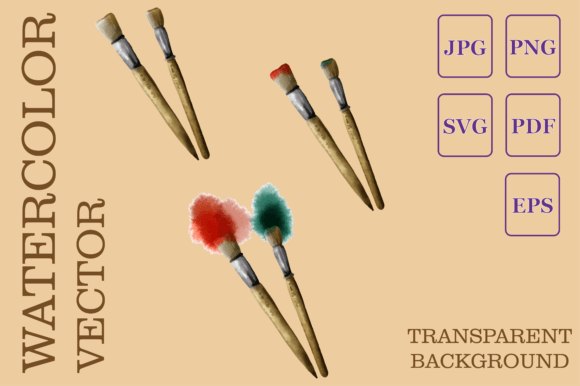
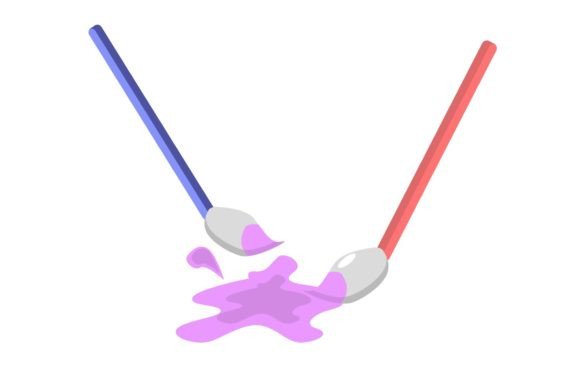
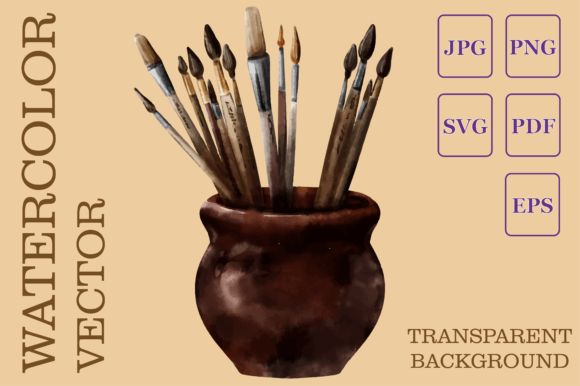
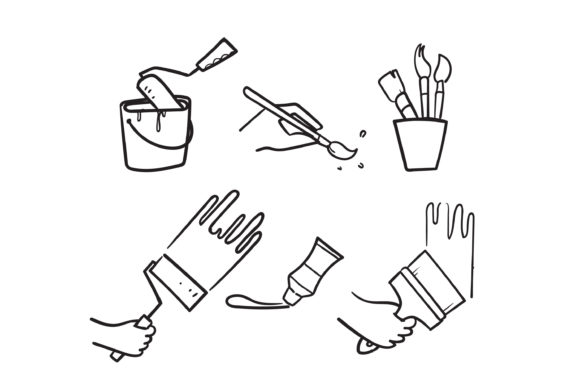
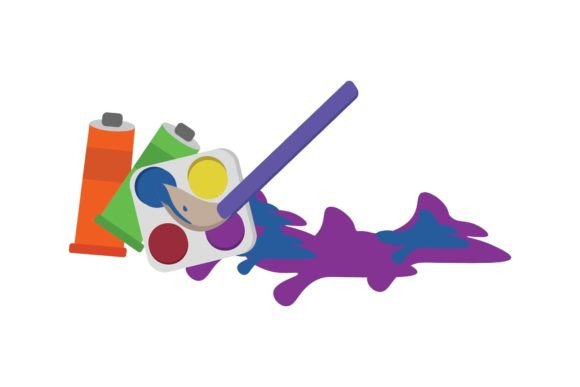
When we talk about paints and paint brushes vector art, we are referring to digital illustrations of these traditional tools that retain all these benefits. They are not photographs of brushes; they are stylized, clean, and versatile graphical representations.
The Significance of Painting Tools in Digital Design
Why would a digital designer need images of physical paints and brushes? The answer lies in symbolism and aesthetic appeal. Paints and brushes are universal symbols of creativity, craftsmanship, and human touch. In an increasingly digital world, brands and creators often seek to convey warmth, authenticity, and artistic flair. Incorporating vector art of these tools helps bridge the gap between traditional artistry and modern digital presentation.
Key Applications in Modern Workflows
- Branding for Creative Industries: Art studios, pottery classes, and interior design firms frequently use icons of paint tubes, palettes, and brushes in their logos and marketing materials. These visuals instantly communicate the nature of their business.
- Educational Materials: Online courses teaching watercolor techniques or oil painting basics benefit from clear, scalable vector diagrams. These can illustrate brush strokes, color mixing, or tool maintenance without the distraction of complex photographic backgrounds.
- Packaging Design: For companies selling actual art supplies, vector illustrations offer a clean, modern look on packaging. They can be printed at any size, ensuring crisp details on small tube labels or large box displays.
- Web and App Interfaces: Icons representing "edit," "create," or "design" features in software often take the form of a paintbrush or a drop of paint. Vector formats ensure these icons look sharp on all devices, from smartphones to 4K monitors.
Common Misconceptions About Vector Illustrations
Despite their popularity, there are several misunderstandings regarding paints and paint brushes vector art that can hinder beginners.
Misconception 1: Vectors Cannot Look Organic.
Many assume that because vectors are mathematical, they must look rigid and geometric. However, modern vector software allows for intricate bezier curves and gradient meshes that can mimic the fluidity of wet paint or the bristle texture of a brush. Skilled designers create vector art that feels hand-drawn and organic.
Misconception 2: All Vector Files Are the Same.
Not all vector formats are created equal. While SVG (Scalable Vector Graphics) is standard for the web, AI (Adobe Illustrator) and EPS (Encapsulated PostScript) are preferred for professional print work. Understanding which format suits your project is vital for maintaining quality.
Misconception 3: It’s Easy to Create from Scratch.
While using pre-made vector assets is convenient, creating high-quality, original vector art of complex items like paint splatters or detailed brush handles requires significant skill and time. Many professionals opt to license high-quality vectors rather than build them from zero.
How to Choose the Right Vector Assets
When searching for paints and paint brushes vector art, consider the following criteria to ensure the assets meet your needs:
- Style Consistency: Ensure the style of the vector matches your brand. Do you need flat, minimalist icons? Or do you require detailed, realistic illustrations with shadows and highlights?
- Layer Organization: High-quality vector files are well-organized with named layers. This makes it easier to isolate specific elements, such as changing the color of the paint while keeping the brush handle intact.
- License Terms: Always check the licensing agreement. Some vectors are free for personal use only, while others require a commercial license. Respect intellectual property rights to avoid legal issues.
- Compatibility: Verify that the file format is compatible with your design software. Most modern tools support SVG, AI, and EPS, but it is always good to double-check.
Integrating Vector Art into Your Projects
Once you have selected the appropriate paints and paint brushes vector art, the next step is integration. Here are some practical tips for seamless incorporation:
Color Customization: One of the greatest strengths of vector art is color flexibility. Use the eyedropper tool to match the vector colors to your brand palette. For instance, if your brand uses teal and coral, adjust the paint tube colors accordingly to maintain visual harmony.
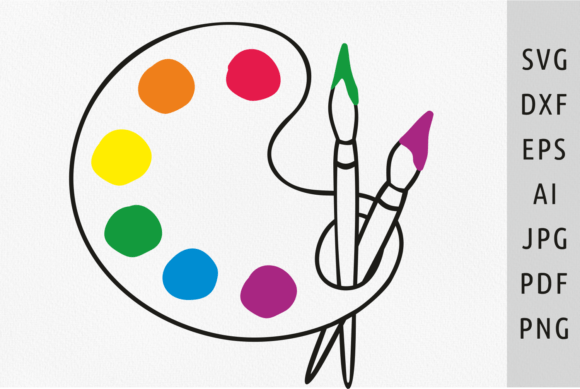
Composition and Balance: When using multiple vector elements, such as a palette, a brush, and a splash of paint, pay attention to composition. Use the rule of thirds or golden ratio to arrange these elements in a way that guides the viewer’s eye naturally through the design.
Combining with Typography: Vector icons of painting tools pair beautifully with handwritten or serif fonts. This combination reinforces the theme of craftsmanship. Ensure there is enough whitespace around the vector elements so they do not clash with the text.
The Future of Digital Art Resources
As technology evolves, so does the way we create and use vector art. With the rise of AI-assisted design tools, generating custom vector illustrations is becoming faster and more accessible. However, the human touch in curating and refining these assets remains irreplaceable. The demand for high-quality, semantically relevant paints and paint brushes vector art continues to grow as more businesses seek to humanize their digital presence.
Moreover, the integration of vector graphics into augmented reality (AR) and virtual reality (VR) environments opens new avenues. Imagine an AR app where users can visualize how different paint colors look on their walls, guided by vector-based interface elements. The versatility of vector art ensures it will remain a cornerstone of digital design for years to come.
Conclusion
Incorporating paints and paint brushes vector art into your design projects is more than just an aesthetic choice; it is a strategic decision that enhances communication, scalability, and brand identity. By understanding the technical advantages of vector graphics and applying them thoughtfully, you can create compelling visuals that resonate with your audience. Whether you are designing a logo, an educational infographic, or a product package, these versatile assets provide the perfect blend of artistic charm and digital precision.
Remember to choose your assets wisely, respect licensing terms, and experiment with customization to make the most of these powerful design tools. As you continue to explore the world of vector art, you will find endless possibilities for expressing creativity in the digital age.