Evaluating Doodle Brushes and Painting for Digital Illustration
The landscape of digital art has expanded significantly, offering creators a vast array of tools to express their vision. Among these, Doodle Brushes and Painting have emerged as a distinct category that bridges the gap between casual sketching and professional illustration. For artists, designers, and hobbyists alike, understanding the specific utility of hand-drawn doodle brushes is essential for making informed decisions about their digital toolkit. This article explores the characteristics, benefits, and practical applications of these tools to help you determine if they align with your creative goals.
Understanding Doodle Brushes and Painting
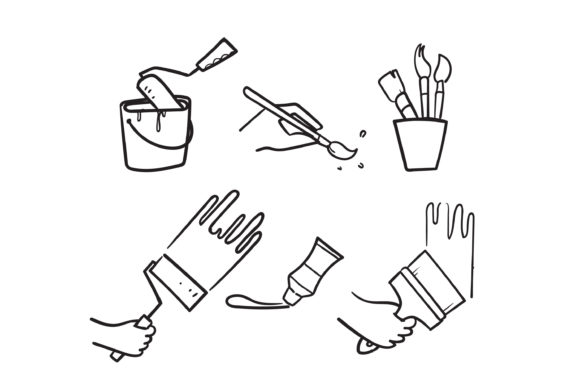
At its core, Doodle Brushes and Painting refers to a specialized set of digital assets designed to mimic the organic, imperfect, and spontaneous nature of hand-drawn sketches. Unlike standard vector lines or polished airbrushes, these brushes often feature textured edges, variable opacity, and irregular spacing that replicate the feel of pencil, ink, or charcoal on paper. When combined with painting techniques, they allow users to create illustrations that retain a human touch, avoiding the sterile perfection often associated with digital media.
These tools are typically packaged as sets, including various tip shapes, scatter effects, and texture overlays. The primary objective is to facilitate rapid ideation and stylized artwork that feels approachable and authentic. Whether used for character design, pattern creation, or editorial illustrations, the focus remains on maintaining the aesthetic of traditional doodling within a flexible digital environment.
Why Artists Choose Hand-Drawn Aesthetics
The interest in hand drawn doodle Brushes and Painting stems from a broader cultural shift towards authenticity and relatability in visual communication. In an era dominated by high-gloss 3D renders and sleek corporate graphics, doodle-style art offers a refreshing contrast. It conveys warmth, creativity, and accessibility. For brands and content creators, this style can make complex information feel less intimidating and more engaging.
Furthermore, the psychological aspect of doodling cannot be overlooked. Many artists find that using loose, expressive brushes reduces performance anxiety. The low-stakes nature of a "doodle" encourages experimentation and flow, allowing creators to bypass the inner critic that often hinders the initial stages of a project. This makes these brushes particularly valuable for brainstorming sessions and concept development.
Benefits and Practical Advantages
Integrating a dedicated set of doodle brushes into your workflow offers several tangible benefits:
- Efficiency in Stylization: Achieving a consistent hand-drawn look manually can be time-consuming. Pre-configured brushes automate much of the texturing and variation, allowing artists to produce cohesive artwork faster.
- Versatility Across Mediums: These brushes are not limited to static images. They are increasingly used in motion graphics, UI design, and educational materials where a friendly, informal tone is desired.
- Enhanced Creativity: The unpredictable nature of textured brushes can spark new ideas. Unexpected marks or blends can lead to creative directions that smooth, predictable tools might not suggest.
- Accessibility for Beginners: For those new to digital art, doodle brushes are forgiving. Mistakes blend naturally into the texture, reducing the pressure for precision and encouraging practice.
Tradeoffs and Considerations
While Doodle Brushes and Painting tools offer significant advantages, they are not a universal solution. It is crucial to recognize their limitations to manage expectations effectively.
One primary tradeoff is control. The very randomness that gives these brushes their charm can make precise detailing difficult. If a project requires sharp geometric accuracy or clean, scalable vectors, doodle brushes may introduce unwanted noise or inconsistency. Additionally, over-reliance on preset textures can lead to a generic look if the artist does not customize settings or combine them with other techniques.
Another consideration is file size and performance. High-resolution brush sets with complex texture maps can consume significant memory, potentially slowing down older hardware. Users should evaluate their system capabilities before installing extensive libraries.
Ideal Use Cases for Doodle Brushes
To determine if this toolset is right for you, consider whether your projects align with the following scenarios:
- Editorial and Content Marketing: Blog posts, social media graphics, and newsletters benefit greatly from the approachable aesthetic of doodles. They break up text and add visual interest without overwhelming the reader.
- Character Design and Storyboarding: Early-stage concept art thrives on quick, expressive lines. Doodle brushes allow for rapid iteration of character poses and expressions.
- Educational Materials: Textbooks, worksheets, and e-learning modules often use hand-drawn icons to explain concepts simply. The informal style helps reduce cognitive load for students.
- Personal Journaling and Planning: Digital planners and bullet journals have gained popularity, and doodle brushes are essential for creating customized layouts and decorative elements.
When to Consider Alternatives
There are situations where Doodle Brushes and Painting may not be the optimal choice. If your work demands strict brand guidelines requiring uniform line weights and colors, standard vector tools or hard-edged round brushes may be more appropriate. Similarly, for photorealistic painting or high-end commercial illustration, artists typically rely on sophisticated blending modes and custom-made brushes that offer greater subtlety and control than typical doodle sets.
Additionally, if you are working primarily in print media at large formats, ensure that the texture resolution of your brush set is high enough to avoid pixelation. Low-quality doodle brushes may look acceptable on screen but appear grainy or muddy when printed.
Making an Informed Decision
Selecting the right hand drawn doodle Brushes and Painting set involves evaluating your specific needs against the features offered. Look for sets that provide customization options, such as adjustable spacing, jitter, and opacity dynamics. This flexibility ensures that you can adapt the brushes to different projects rather than being locked into a single style.
It is also advisable to test brushes with your preferred software. Compatibility varies between platforms like Adobe Photoshop, Procreate, Clip Studio Paint, and Affinity Designer. A brush set that performs well in one program may behave differently in another due to variations in engine interpretation.
Ultimately, the value of these tools lies in how well they support your creative process. If you seek to inject personality, warmth, and efficiency into your digital artwork, investing time in mastering doodle brushes is a worthwhile endeavor. However, always view them as part of a broader toolkit, complementing rather than replacing fundamental drawing skills and other digital resources.
By understanding the strengths and limitations of Doodle Brushes and Painting, you can make a strategic choice that enhances your workflow and helps you achieve the desired aesthetic for your projects. Whether you are a seasoned illustrator looking to expand your style or a beginner eager to explore digital art, these tools offer a unique pathway to creative expression.